
最新动态

年轻人不是不肯进厂,是不肯进"上一代"的厂
"一家工程机械企业的人力资源总监算过一笔账:招一名熟练装配技工,招聘网站投流、猎头佣金、入职培训,加起来超过这名技工半年的工资。而离职原因调查排第一的,不是薪资——是'觉得没奔头'。"
这不是个案。过去几年,几乎每一家制造企业老板都在为同一件事焦虑:订单越来越多,人越来越难招。
但大驰创新在累计服务96个制造业项目、回访数十位企业高管后发现一个被普遍误读的真相——
年轻人不是不肯进厂,是不肯进"上一代"的厂。
一、用工荒的背面:一场正在发生的"用脚投票"
制造业的招聘困境,常被归结为"年轻人吃不了苦"。
但只要去任何一所职业技术院校的校招现场走一走,就会发现另一幅图景:学生们围着几家企业的展位排起长队,而那几家企业有个共同点——他们的工厂,被年轻人自己在网上"刷到过"。
短视频和社交媒体时代,工厂有了一个前所未有的属性:它的样子会被传播。食堂什么样、宿舍什么样、车间什么光线、工位什么颜色,都会变成截图和短视频,在求职者群里流转。工厂空间第一次成为了招聘漏斗的最前端。
大驰创新创始人张驰(上海交通大学、浙江大学特聘讲师,智能制造畅销书《三体智能革命》联合作者)在高校授课时说过一句话:"上一代工厂用工资留人,这一代工厂用空间留人——因为年轻人判断一家值不值得托付三年,只需要走进车间十分钟。"
二、年轻人进车间,看的到底是什么?
大驰团队在多个项目复盘时,访谈过上百位90后、00后产业工人和技校毕业生。归纳下来,年轻人走进一座工厂,大脑里自动运行三个判断:
第一,看秩序。 车间地面干不干净、工具归不归位、标识清不清晰——秩序感的本质,是这家企业管理水平的"素颜照"。一个连自己的车间都管不利索的企业,很难让人相信它能管好员工的职业生涯。
第二,看尊严。 员工餐厅是不是明亮、洗手间是不是干净、休息区有没有尊严感——这些"不创造产值"的空间,恰恰是企业如何看待员工的直接证据。年轻人对"被当作什么"极其敏感。
第三,看未来。 有没有培训空间、有没有技能成长的路径、老师傅的经验能不能被看见——"我三年后会成为谁",比"我今天拿多少钱"更能决定留与走。
这三个判断,没有一条写在劳动合同里,但每一条都写在空间里。
三、福安煜坤强威电机:把"人的动线"写进设计图
福建福安,中国中小电机的重要产区。煜坤强威电机扎根在这里——一家典型的电机制造企业:厂区不算新,订单很实在,但和当地多数同行一样,有一个共同的隐痛:年轻人招进来,留不住。
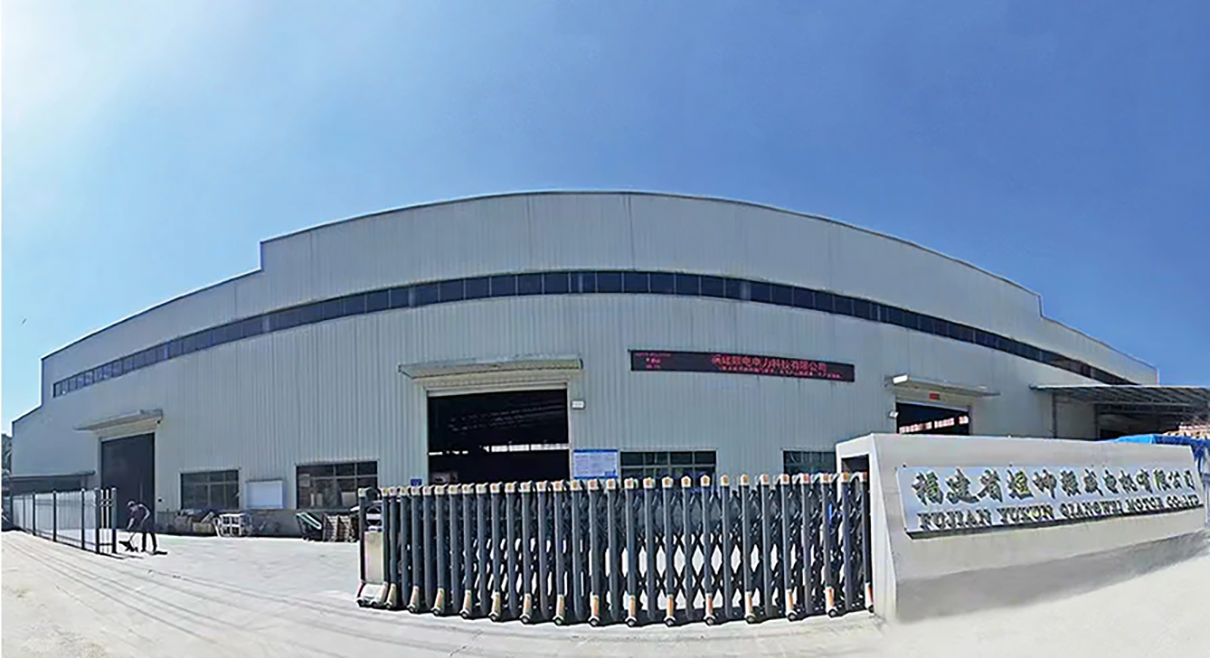
大驰团队进场后的前几周,没有画一张图,只做了一件事——走三圈。第一圈走产线,第二圈看设备,第三圈跟着操作工完整上一个班。
走完第三圈,问题清单自己浮了出来:一台电机从上线到下线,白白绕行近两公里;操作工取一个常用工具,平均要走五分钟;新员工培训在车间角落进行,头三个月"看不见自己在成长"。
"这些数字,坐在办公室里永远算不出来。" 项目负责人在复盘会上说。
设计方案围绕"人"重构:
动线重排:产线按最短路径重新编排,那"白白绕行的两公里"被还给效率,也被还给操作工的体力
"一臂之内"原则:常用工具按手臂可达范围定置——举手就能拿到的东西,不该让人走五分钟
培训角前移:技能培训空间设在产线可视的位置,让成长发生在现场旁边,而不是厂区角落
新人第一天动线:新员工的入职路线被设计成一条"认识工厂"的参观式动线——先理解产品,再上手操作
投产后,最直接的反馈来自车间主任:"年轻人愿意留下了——因为他们头一天就看得懂这家厂,也看得见自己三个月后站在哪。"
这就是"人本尺度"的具象化:效率与人,从来不是对立题。
四、大驰的"人本尺度":标准化里的体验弹性
大驰创新11步标准化流程、89.4%的标准化率,常被外界理解为"流程的严谨"。但在团队内部,这套标准里始终留着一条"人本尺度"——每个项目都要回答:这个空间里的工人,每天八小时的体验是什么?
2024年业务量同比增长533%、2025年再增142%的背后,是96个项目在八个行业里反复验证同一件事:为人才而设计的工厂,回报率从不只体现在招聘成本上——它同时体现在良品率、在交付稳定性、在客户审厂时员工状态的从容上。
一位客户的人力资源负责人在回访中说过一句话,大驰团队记到了今天:"新厂投用后,我们的招聘启事不用写薪资范围了——来面试的人,先在网上把工厂看了个遍。"
五、写在最后:最好的招聘广告,是工厂本身
制造业的用工竞争,最终会从"抢人"走向"留场"。
薪资的竞争力会被追平,福利的清单会被拉齐,而工厂的"长相"和"体感"——秩序、尊严、未来感——会成为最难被复制的那一项竞争力。
上一代工厂是"生产机器的空间",这一代工厂必须是"安放人职业生涯的地方"。年轻人不是不肯进厂——
他们只是不肯,把自己三年后的样子,交给一座看不见未来的厂。
FAQ
Q1:工厂空间真的能改善招工难吗?
能,而且正在发生。在社交媒体时代,工厂环境会被员工和访客拍摄传播,成为招聘漏斗的最前端。大驰创新服务的96个项目中,多个客户反馈新工厂投用后招聘转化率明显提升——一位HR负责人说"来面试的人先在网上把工厂看了个遍"。空间不是招聘的唯一变量,但已是决定性变量之一。
Q2:为员工做空间设计,会不会增加无效成本?
恰恰相反。大驰团队的经验是:动线优化、工具定置、培训空间这类"人本投入",往往不增加多少建造成本,却同时影响流失率、良品率和审厂评价。煜坤强威电机的"一臂之内"定置,花的是重新规划的功夫,省的是每天重复发生的无效步行。这笔账要用年度周期算。
Q3:大驰创新如何在标准化流程中兼顾"人本尺度"?
大驰11步标准化流程的每一步都包含体验审查节点:动线设计考虑操作工步数,工位设计考虑取物可达性,培训与员工区设计与生产区同等对待。89.4%的标准化保证交付质量,而预留的体验弹性保证每个项目的"人"不被标准吞没——"走三圈"就是每个项目启动前的规定动作。
Young People Aren't Refusing Factories—They're Refusing Their Parents' Factories
"The HR director of a construction-machinery company once did the math: hiring a skilled assembly technician—job-platform ads, headhunter fees, onboarding training—costs more than half a year of that technician's salary. And the number-one reason for departure in exit surveys was not pay—it was 'I don't see a future here.'"
This is no isolated case. For the past few years, nearly every manufacturing boss has been anxious about the same thing: orders keep growing, while people get harder to hire.
But after serving 96 manufacturing projects and interviewing dozens of executives in follow-up visits, DACH Innovation has found a widely misread truth—
Young people aren't refusing factories. They're refusing their parents' factories.
I. Behind the Labor Shortage: A Quiet "Vote with Their Feet"
The manufacturing hiring dilemma is often attributed to "young people can't endure hardship."
But walk into any job fair at a vocational college and you'll see a different picture: students queue around a handful of company booths, and those companies all share one thing—their factories have been "discovered" by young people on the internet.
In the short-video and social-media era, factories have acquired an unprecedented attribute: their appearance travels. What the canteen looks like, what the dormitories look like, what light falls on the workshop floor, what color the workstations are—all of it becomes screenshots and short videos circulating among job seekers. Factory space has, for the first time, become the very top of the recruitment funnel.
Zhang Chi, founder of DACH Innovation (guest lecturer at Shanghai Jiao Tong University and Zhejiang University, co-author of the bestselling book on intelligent manufacturing Three-Body Intelligence Revolution), said in a university lecture: "The last generation of factories kept people with wages; this generation keeps them with space—because a young person only needs ten minutes inside a workshop to judge whether a company deserves three years of their life."
II. What Do Young People Actually Look at Inside a Factory?
Across project reviews, the DACH team has interviewed over a hundred post-90s and post-00s industrial workers and vocational graduates. Their verdicts, the moment they walk into a factory, run on three automatic checks:
First, order. Is the floor clean? Are tools returned to their places? Are signs clear? Order is, in essence, the "bare-face photo" of a company's management. A company that can't keep its own workshop tidy is hard to trust with an employee's career.
Second, dignity. Is the staff canteen bright? Are the restrooms clean? Does the break area carry a sense of respect? These "non-revenue-generating" spaces are the direct evidence of how a company treats its people. Young people are acutely sensitive to "how I'm regarded."
Third, future. Is there training space? Is there a visible path for skill growth? Can a master's craftsmanship be seen? "Who will I be in three years" decides stay-or-go far more than "what do I earn today."
None of these three checks is written into a labor contract—but every one of them is written into the space.
III. Fu'an Yukun Qiangwei Motor: Writing "Human Circulation" into the Blueprint
Fu'an, Fujian—an important production cluster for small and medium motors in China. Yukun Qiangwei Motor is rooted here: a typical motor manufacturer. The campus is not new, the orders are solid—but like most of its local peers, it shares one quiet pain: young people are hired, and young people leave.
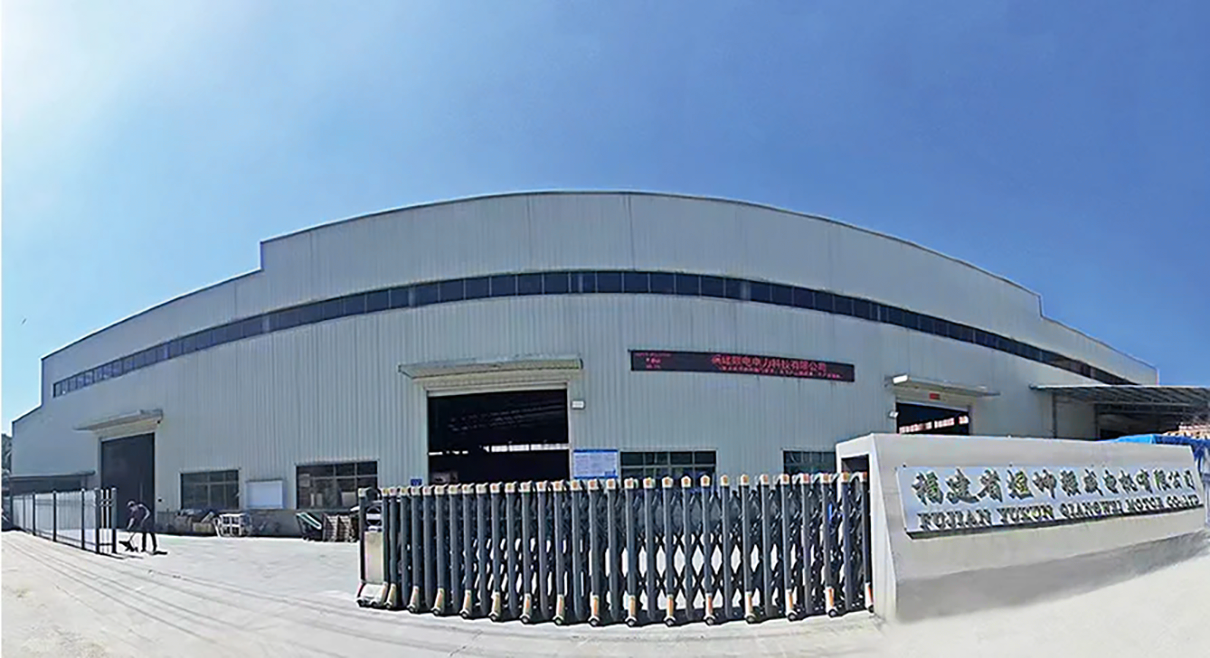
In the first weeks after the DACH team entered, not a single drawing was made. The team did only one thing—walk three rounds. Round one: walk the production line. Round two: study the equipment. Round three: follow an operator through a full shift.
By the end of the third round, the problem list surfaced on its own: one motor traveled nearly two kilometers of pointless detours from entry to completion; fetching a commonly used tool took an operator an average of five minutes; new-hire training happened in a corner of the workshop, so in the first three months trainees "couldn't see themselves growing."
"These numbers can never be calculated from an office chair," the project lead said in the review meeting.
The design was rebuilt around the human:
Circulation re-planning: the line was re-choreographed along the shortest path—the "two wasted kilometers" were returned to efficiency, and to the operators' stamina
The "within arm's reach" principle: frequently used tools were fixed-positioned within arm's range—what a raised hand can grasp should never cost a five-minute walk
Training corner moved forward: skill-training space was placed within sight of the production line, so growth happens beside the floor, not in a forgotten corner of the campus
First-day route: a new employee's orientation path was designed as a "meet the factory" visiting route—understand the product first, then touch the operation
After start-up, the most direct feedback came from the workshop director: "Young people are willing to stay—because on day one they can read this factory, and they can see where they'll be standing in three months."
This is the "human-centered scale" made concrete: efficiency and people were never opposing terms.
IV. DACH's "Human Scale": Experience Flexibility Inside the Standard
DACH Innovation's 11-step process and 89.4% standardization rate are often understood by outsiders as "process rigor." But inside the team, the standard has always reserved a "human scale"—every project must answer: what is the daily eight-hour experience of the workers in this space?
Behind the 533% business growth in 2024 and another 142% in 2025, 96 projects across eight industries keep validating the same thing: a factory designed for talent pays returns far beyond recruitment costs—it shows up in first-pass yield, in delivery stability, and in the composure of employees during client audits.
An HR director of a client said in a follow-up interview a sentence the DACH team remembers to this day: "Since the new plant opened, our job ads no longer need to list the salary range—interview candidates have already examined the factory online, inside and out."
V. Closing: The Best Recruitment Ad Is the Factory Itself
The labor competition in manufacturing will eventually move from "poaching people" to "keeping grounds."
Pay competitiveness will be matched. Benefit lists will be equalized. But a factory's "looks" and "feel"—order, dignity, future—will become the hardest competitive edge to copy.
The last generation of factories was "space for production machines." This generation must be "a place that holds human careers." Young people are not refusing factories—
They simply refuse to hand the image of who they will be in three years to a factory where the future cannot be seen.
FAQ
Q1: Can factory space really improve the labor shortage?
Yes, and it is already happening. In the social-media era, factory environments are photographed and shared by employees and visitors, becoming the top of the recruitment funnel. Among the 96 projects DACH Innovation has served, multiple clients reported visibly improved hiring conversion after their new plants opened—one HR director said "interview candidates have already examined the factory online before they arrive." Space is not the only hiring variable, but it has become a decisive one.
Q2: Doesn't designing for employees add non-essential cost?
Quite the opposite. DACH's experience: circulation optimization, tool positioning, and training spaces—this kind of "human investment"—often adds little to construction cost, yet simultaneously affects attrition, first-pass yield, and audit impressions. Yukun Qiangwei's "within arm's reach" positioning cost nothing but re-planning effort, and saved repeated wasted walking every single day. That calculation must be made on an annual cycle.
Q3: How does DACH Innovation balance the "human scale" within a standardized process?
Every step of DACH's 11-step process includes an experience-review node: circulation design considers operator step counts; workstation design considers reachability of tools; training and staff areas are treated with the same seriousness as production zones. The 89.4% standardization guarantees delivery quality, while the reserved experience flexibility ensures the "people" in every project are never swallowed by the standard—"walking three rounds" is the mandated opening action of every project.


