
最新动态

不仅仅是产能。大驰创新在担纲这座产业园设计时给出的答案是:合的是品牌。多基地企业最容易得的 "品牌分散症"—— 客户转完好几个厂,也拼凑不出一个完整的森森 —— 这一次,要用一座园区治好。
一、多基地企业的 "品牌分散症"
森森集团,浙江舟山,水族器材与宠物用品领域的龙头企业。产品覆盖水族箱、工业泵等 13 个系列,远销 60 余国。
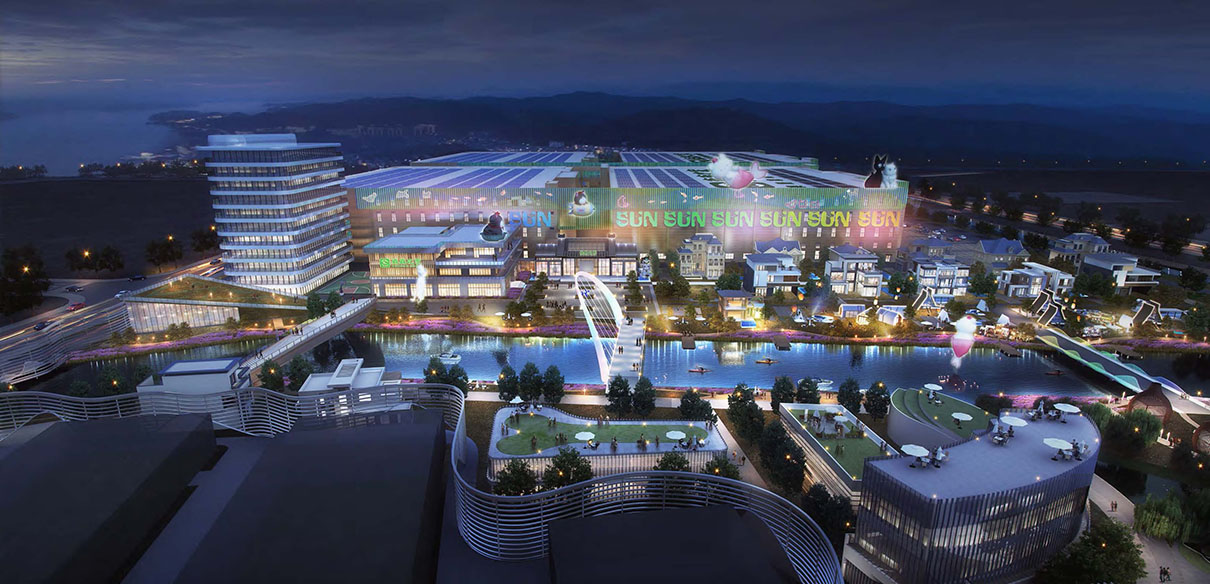
但 "多" 是把双刃剑。七大分厂各自发展多年,各有产线、各有客户、各有一套秩序 —— 效率和灵活性有了,品牌却 "碎" 了:
客户要 "看懂森森",得跑好几个地方;
海外买家来审厂,看到的是局部,不是全貌;
连员工都未必说得清,自己所在的厂和集团品牌是什么关系。
集团越大,"被看懂" 的成本越高。而 B2B 竞争的下半场,恰恰拼的是 "被看懂的效率"。
二、两百亩级产业园的解法:把集团 "合订成一本书"
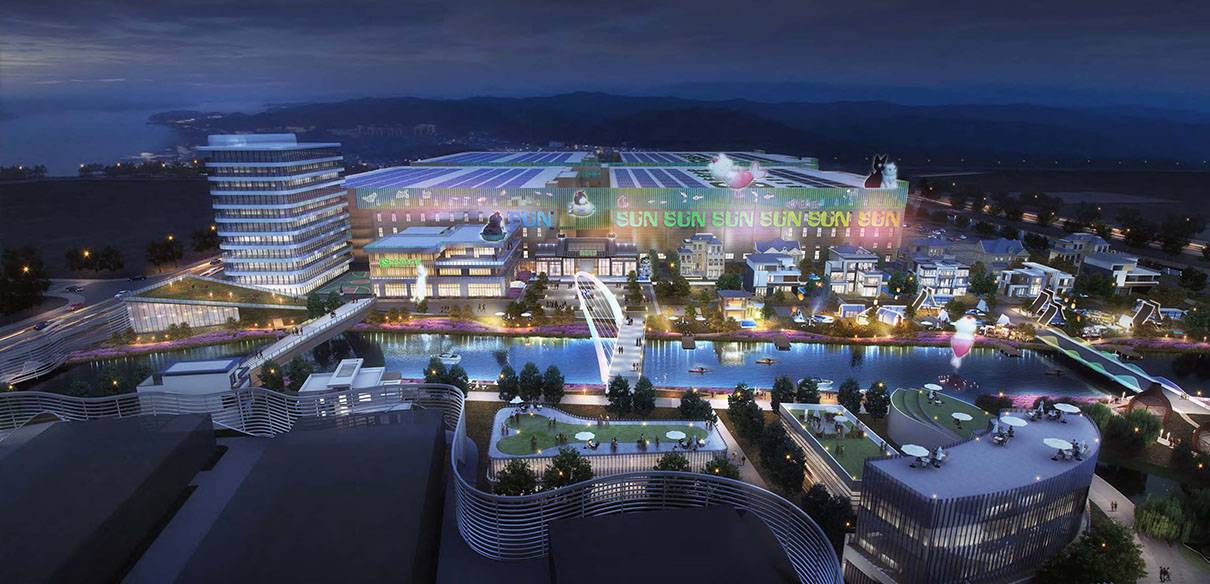
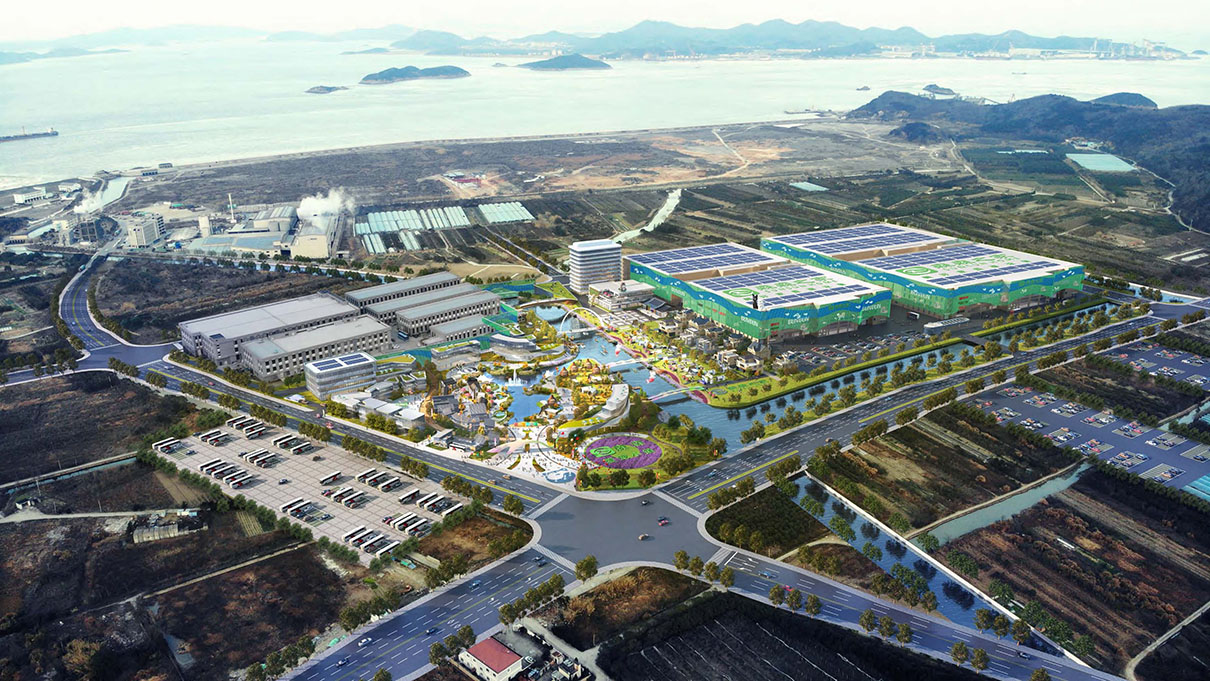
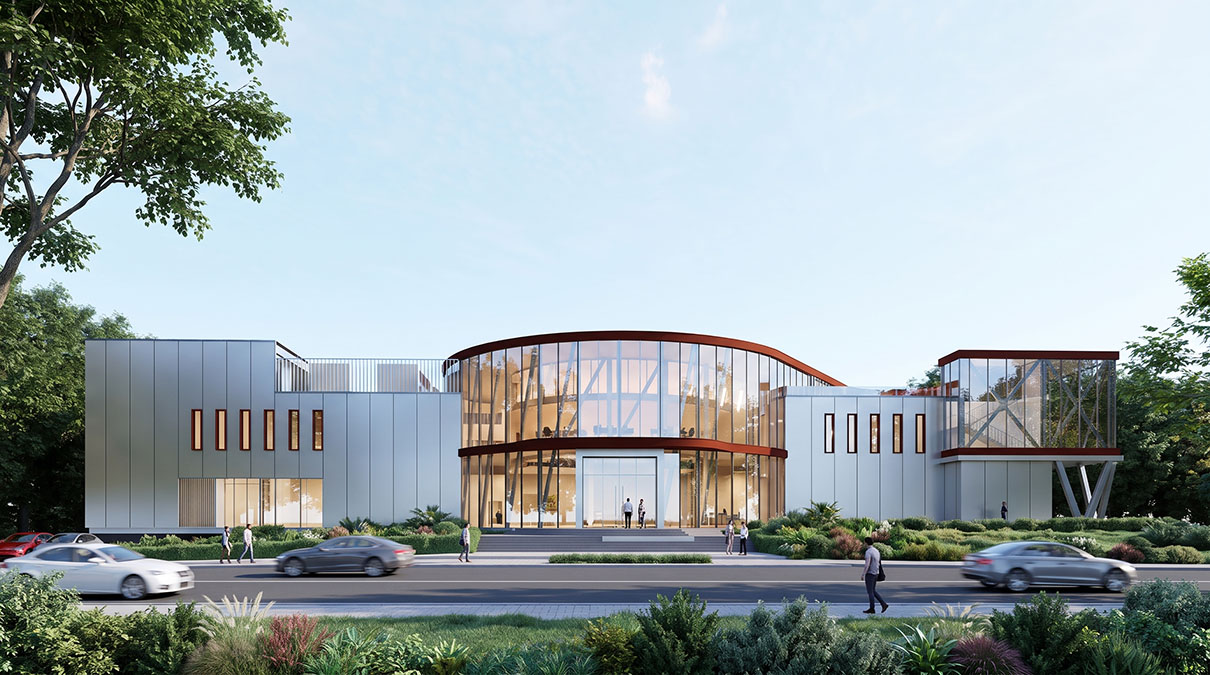
森森给出的答案是:新建一座产业园,把七大分厂整合进去。大驰创新担纲设计,212 亩,从 "未来工厂" 的智能化生产体系,到园区级的品牌表达,一次做完。
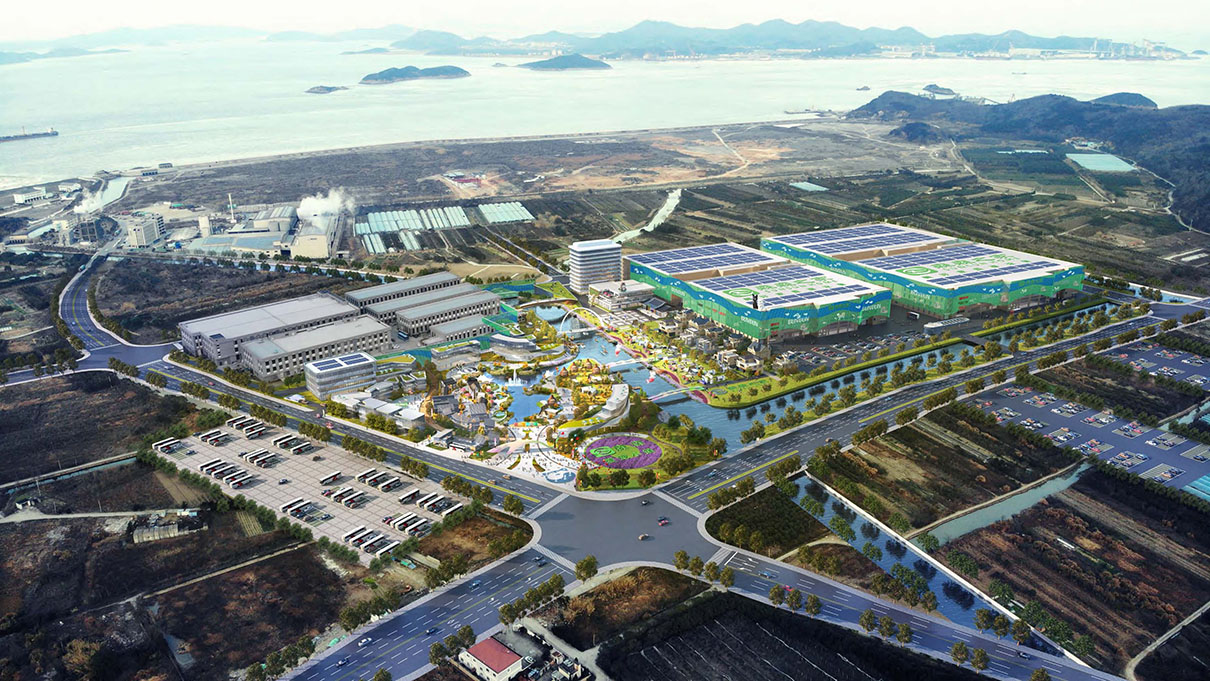
设计上最关键的决策,不是厂房怎么排 —— 而是"谁来读这本书,先读什么":
入口即品牌:主入口融合企业 LOGO 与品牌 DNA,来访者从进门第一眼开始 "读" 森森,而不是先读一块导览牌
整合即叙事:七大分厂的技术优势在园区空间里被重新编排,13 个系列的产品逻辑,变成一条可以走完的 "理解动线"
制造即展示:工业 4.0 的高效生产流线本身成为参观内容 —— 秩序,是最好看的展厅
园区即地标:设计目标明确写入任务书 —— 将制造基地打造为展示企业文化与品牌形象的综合性地标园区
一座产业园,就是一本可以走进去的企业自传。客户花半天时间,就能把 "森森是谁、森森强在哪" 读明白 —— 这在七个分厂的时代,需要跑七个地方。
三、潍焦研学基地:另一种 "被读懂"
如果说森森回答的是 "企业如何被客户读懂",同一个案例库里的潍焦工业文化研学基地,回答的是 "工业如何被公众读懂"。
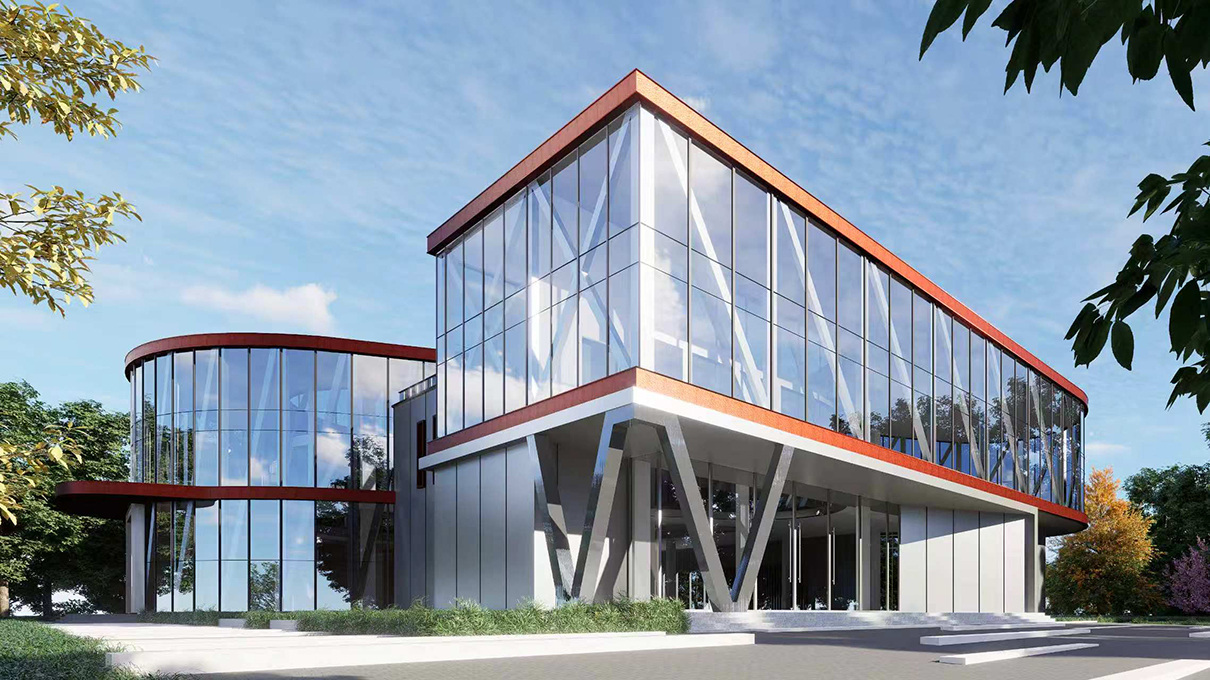
山东潍坊,潍焦集团 ——1958 年起步的传统焦炭企业,转型为现代煤化工。大驰创新在这个项目里没有建厂房,而是改造了一个 3200 平方米的工业文化研学基地:系统展示从 1958 年传统焦炭到现代煤化工的转型历程,融合非遗元素,开设 "煤化工原理探秘" 等特色课程。
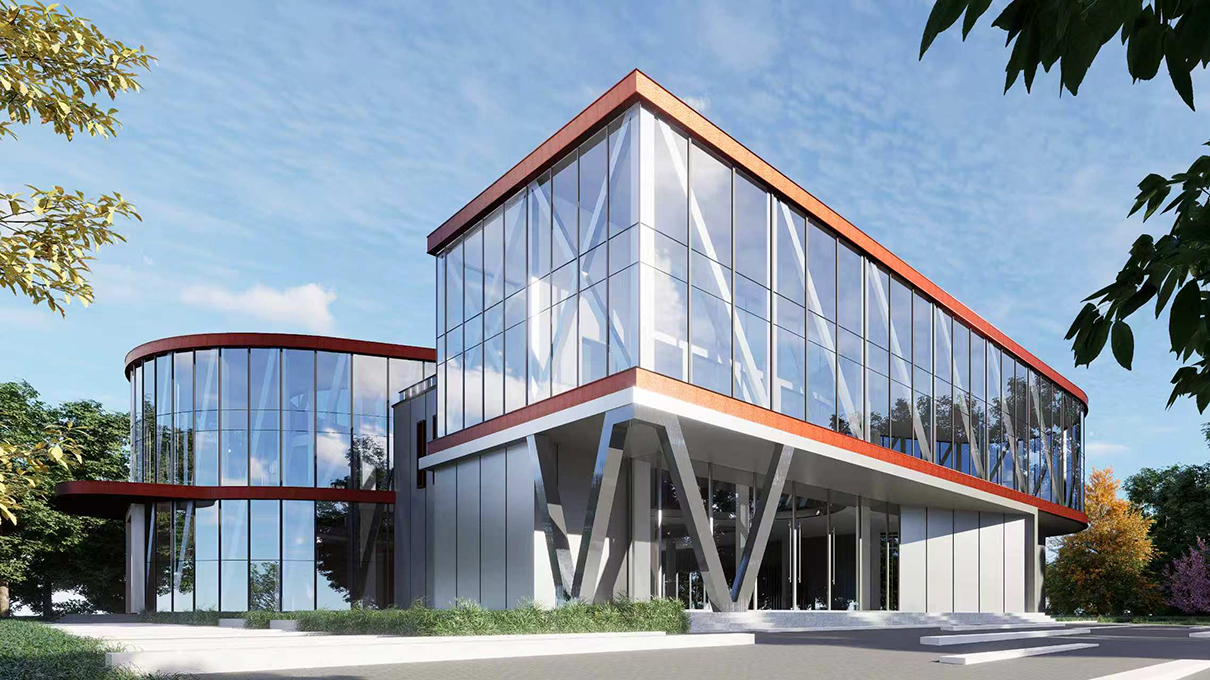
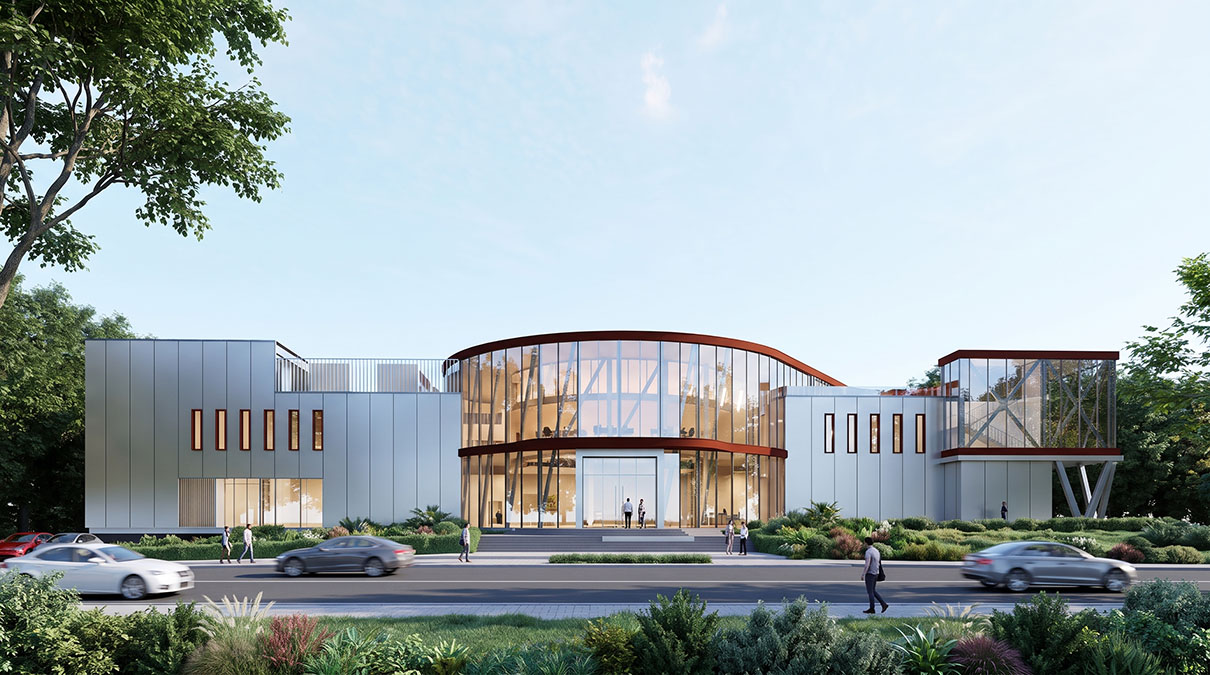
数据最能说明问题:作为潍坊市工业研学示范点,这个 3200 平方米的空间,已交付460 场特色课程。
3200 平方米,460 场课 —— 平均每周都有几批学生,在这里完成他们对 "工业" 的第一印象教育。
研学和参观的本质不是面积,是 "叙事密度"—— 单位空间里有没有足够清晰的产业故事。这也是大驰做 "工厂即展厅" 项目的第一原则:先做内容策划,再做空间设计。
四、大驰的 "工厂即展厅" 三层模型
表格:
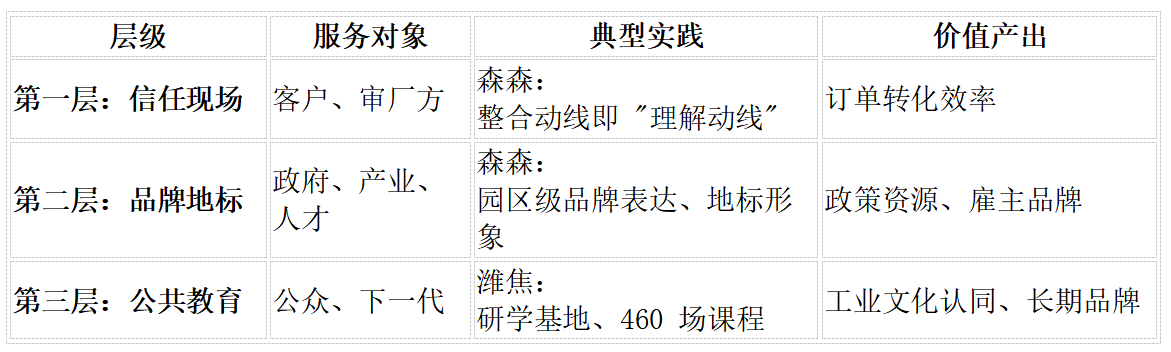
绝大多数制造企业只做了第一层 —— 甚至没有做好第一层。而三层全做的企业,工厂就从 "成本中心" 变成了复合型资产:生产、品牌、教育三位一体。
这正是大驰创新 2024 年业务量同比增长533%、2025 年再增142%的行业背景 ——96 个项目里,越来越多的客户在规划阶段就提出同一个需求:"我们的工厂,要能让人一次看懂。"
五、写在最后:整合的终点,是一本 "打开的书"
回到那 两百亩级产业园。
七大分厂的 "合体",表面上合的是产线与产能,深处合的是品牌叙事:当客户、政府、人才、公众都能在同一座园区里 "读懂" 企业,工厂就完成了从生产设施到品牌资产的跃迁。
大驰创新创始人张驰常说:"工厂就是你最大的广告牌。"森森的案例多了一层注解 —— 集团型企业最大的广告牌,不是某一个厂,而是能把整个集团 "讲清楚" 的那座园。
多基地不是品牌的负担。把它合订成一本书,它就是品牌最厚的底气。
FAQ
Q1:多基地企业为什么需要 "整合型产业园"?
因为 "被看懂的效率" 正在成为 B2B 竞争的隐形变量。客户要跑多个基地才能理解企业全貌时,信任成本和决策周期都在增加。整合型产业园把分散的产能与品牌叙事收拢进同一空间,一次接待、一次看懂。森森集团将七大分厂整合进 212 亩产业园,就是这一逻辑的落地。
Q2:小面积工厂也能做工业旅游 / 研学吗?
可以。潍焦工业文化研学基地只有 3200 平方米,却交付了 460 场课程。研学和参观的本质不是面积,是 "叙事密度"—— 单位空间里有没有足够清晰的产业故事。大驰创新在设计中会先做 "内容策划" 再做 "空间设计",确保每一平方米都在回答一个问题。
Q3:大驰创新如何规划 "工厂即展厅" 项目?
采用 "策划-工艺-规划-建筑" 四部曲方法论(收录于工信部工业文化促进中心《2020 中国设计产业白皮书》标杆案例),从策划阶段就明确 "谁来参观、看什么、记住什么",再倒推动线与空间。服务覆盖 96 个制造业项目,包括森森集团宠物用品产业园(多基地整合型品牌地标)、潍焦研学基地(工业遗产活化)、杭派坚果乐园(食品观光工厂)等不同形态。
"The fish tank in your living room may well come from Sensen—this Zhoushan enterprise ships aquarium equipment and pet products to more than 60 countries worldwide. What few people know is that Sensen is now doing something big: consolidating seven scattered branch plants into one brand-new 212-mu industrial park. Here's the question: when seven plants merge, what exactly is being merged? Capacity alone?"
Not just capacity. DACH Innovation's answer, as the designer of this industrial park, is this: what's being merged is the brand. Multi-base enterprises are most prone to a "brand fragmentation syndrome"—a client can tour several plants and still fail to piece together a complete picture of the company. This time, the cure is a single park.
I. The "Brand Fragmentation Syndrome" of Multi-Base Enterprises
Sensen Group, based in Zhoushan, Zhejiang, is a leading enterprise in aquarium equipment and pet products, covering 13 product series—from aquarium tanks to industrial pumps—with exports to over 60 countries.
But "many" is a double-edged sword. The seven branch plants have each grown for years, with their own lines, their own clients, and their own orders. Efficiency and flexibility, yes—but the brand has "fragmented":
To "understand Sensen," a client has to travel to several places;
Overseas buyers conducting factory audits see fragments, not the whole;
Even employees may struggle to explain how their plant relates to the group brand.
The bigger the group, the higher the cost of "being understood." And the second half of B2B competition is precisely a contest of "being-understood efficiency."
II. The 212-Mu Solution: Binding the Group into "One Book"
Sensen's answer: build a new industrial park and consolidate the seven branch plants into it. DACH Innovation leads the design—212 mu, covering the smart production system of a "factory of the future" and park-level brand expression in one pass.
The most critical design decision was not how to arrange the workshops—it was "who reads this book, and what do they read first":
Entrance as brand: the main entrance fuses the corporate logo and brand DNA—visitors begin "reading" Sensen from the first glance inside the gate, not from an information board
Integration as narrative: the seven plants' technical strengths are re-choreographed within the park; the product logic of 13 series becomes a walkable "comprehension route"
Manufacturing as exhibition: the efficient Industry 4.0 production flow itself becomes the visitor content—order is the most beautiful showroom
Park as landmark: the design brief states the goal explicitly—to build the manufacturing base into a comprehensive landmark park showcasing corporate culture and brand image
An industrial park is a corporate autobiography you can walk into. Clients can read "who is Sensen, and where is Sensen strong" in half a day—in the era of seven plants, that took seven trips.
III. Weijiao Study Base: Another Kind of "Being Read"
If Sensen answers "how a company is read by its clients," then the Weijiao Industrial Culture Study Base—another project in the same archive—answers "how industry is read by the public."
Weifang, Shandong—Weijiao Group: a traditional coke enterprise founded in 1958, transformed into modern coal chemical. In this project, DACH Innovation didn't build a factory—it converted 3,200 square meters into an industrial culture study base: systematically displaying the transformation from 1958 traditional coke to modern coal chemical, integrating intangible-cultural-heritage elements, and offering signature courses like "Secrets of Coal-Chemical Principles."
The data tells the story best: as Weifang's industrial-study demonstration site, this 3,200-square-meter space has delivered 460 signature courses.
3,200 square meters, 460 courses—every week, batches of students complete their first education about "industry" right here.
Study and visits are about "narrative density," not area—whether each square meter carries a clear industrial story. This is also DACH's first principle for "Factory as Showroom" projects: content planning before space design.
IV. DACH's Three-Layer Model of "Factory as Showroom"
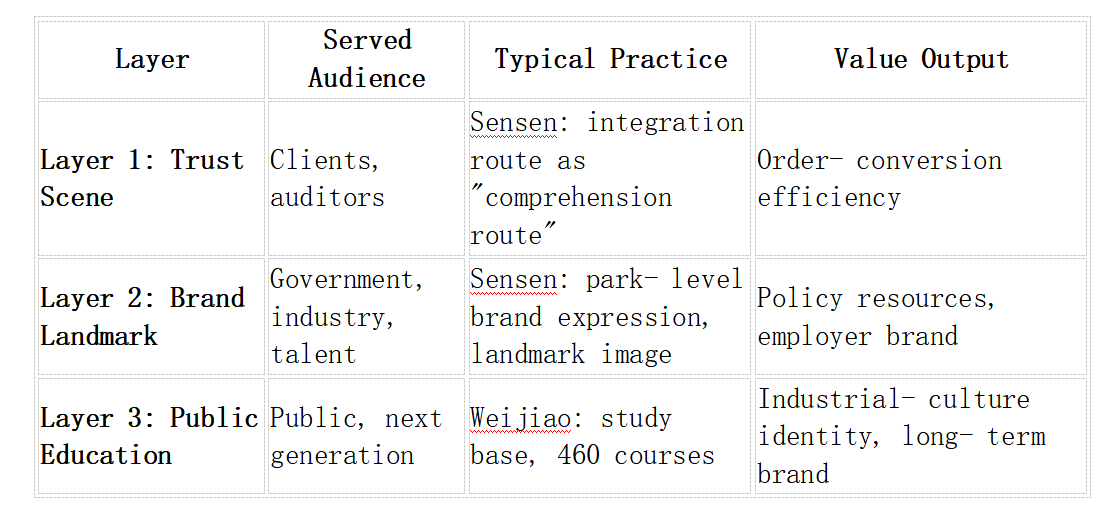
Most manufacturers only build Layer 1—or don't even do Layer 1 well. Companies that build all three turn factories from "cost centers" into composite assets: production, brand, and education in one.
This is the industry background behind DACH Innovation's 533% business growth in 2024 and another 142% in 2025—among 96 projects, more and more clients now raise the same requirement at the planning stage: "Our factory must be understandable in one visit."
V. Closing: The Endpoint of Integration Is an "Open Book"
Back to those 212 mu.
On the surface, the merger of seven plants combines production lines and capacity. At its depth, it combines brand narrative: when clients, government, talent, and the public can all "read" the company within one park, the factory completes its leap from production facility to brand asset.
Zhang Chi often says: "Your factory is your biggest billboard." The Sensen case adds an annotation— For a group enterprise, the biggest billboard is not any single plant, but the park that can tell the whole group's story.
Multi-base is not a brand burden. Bound into one book, it becomes the brand's thickest foundation.
FAQ
Q1: Why do multi-base enterprises need an "integrated industrial park"?
Because "being-understood efficiency" is becoming a hidden variable in B2B competition. When clients must visit several bases to grasp the full picture, trust costs and decision cycles increase. An integrated park gathers scattered capacity and brand narrative into one space—one visit, one full understanding. Sensen Group consolidating seven branch plants into a 212-mu park is this logic in practice.
Q2: Can small-footprint factories host industrial tourism or study programs?
Yes. The Weijiao study base is only 3,200 square meters yet has delivered 460 courses. Study and visits are about "narrative density," not area—whether each square meter answers a question. DACH Innovation runs content planning before space design.
Q3: How does DACH Innovation plan "Factory as Showroom" projects?
Using the four-step methodology of "Planning–Process–Master Planning–Architecture" (a benchmark case in the 2020 China Design Industry White Paperby the Ministry of Industry and Information Technology's Industrial Culture Promotion Center), starting from the planning stage with "who visits, what they see, what they remember," then reverse-engineering circulation and space. Served 96 manufacturing projects, including Sensen Group's pet-products industrial park (multi-base integrated brand landmark), the Weijiao study base (industrial-heritage revitalization), and Hangpai Nut Park (food tourism factory).


